Overview
Our consultancy services are tailored to unlock your potential and steer you towards success. Partner with us, and together we’ll turn challenges into opportunities.
Metastasis is one of the most difficult problems in cancer management due to its complex nature: metastasis can have a very early onset, it may remain dormant for a long time under the limit of detection, and it also evolves over time during treatments. Given that the complex process of the metastatic cascade is still poorly understood, there is a lack therapies specifically targeting metastatic spread.
Distant metastasis is mostly initiated by tumor cells shed from the primary tumor into the blood circulation, known as circulating tumor cells (CTCs). Not all CTCs survive the harsh environment of circulation, but those that survive are carried to distant organs where metastatic tumors eventually arise. Advances in technologies have allowed us to be able to isolate CTCs from cancer patients. However, their biological properties which promote their survival and metastatic potential are still largely undefined. Our lab is interested in identifying the metastasis-initiating cells from the CTCs populations in patients and developing new therapeutic approaches for targeting them. The lab research focuses on two major topics: tumor intrinsic properties of CTCs that are capable of initiating metastasis and associated tumor extrinsic microenvironmental regulation which promotes this metastasis-initiating potential.
Current Research Projects
Metastatic vulnerabilities
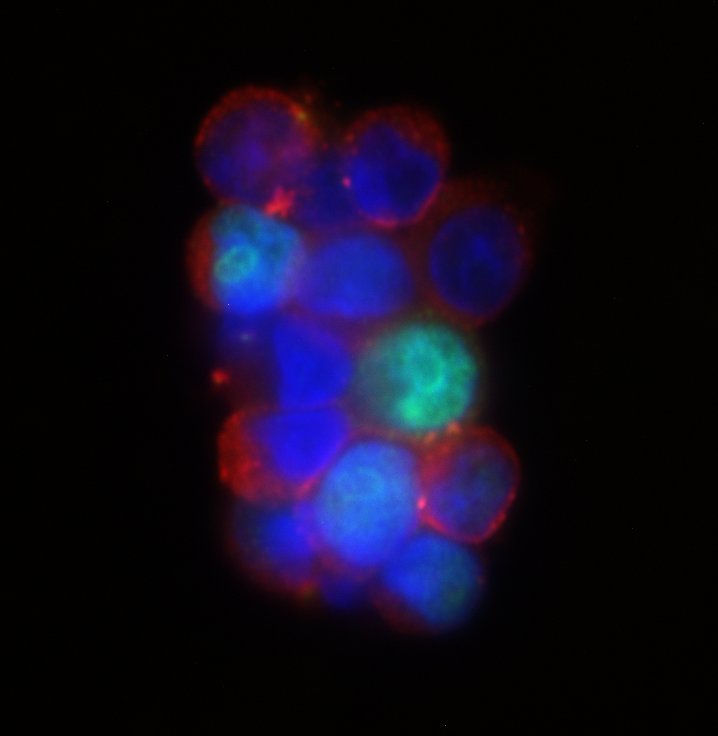
CTCs experience unique environmental stresses that could exhibit metastatic vulnerabilities. We combine transcriptional and epigenetic profiling with phenotypic investigations to elucidate the underlying mechanisms associated with context dependent role of nuclear receptors and signaling.
Brain metastasis dormancy and growth
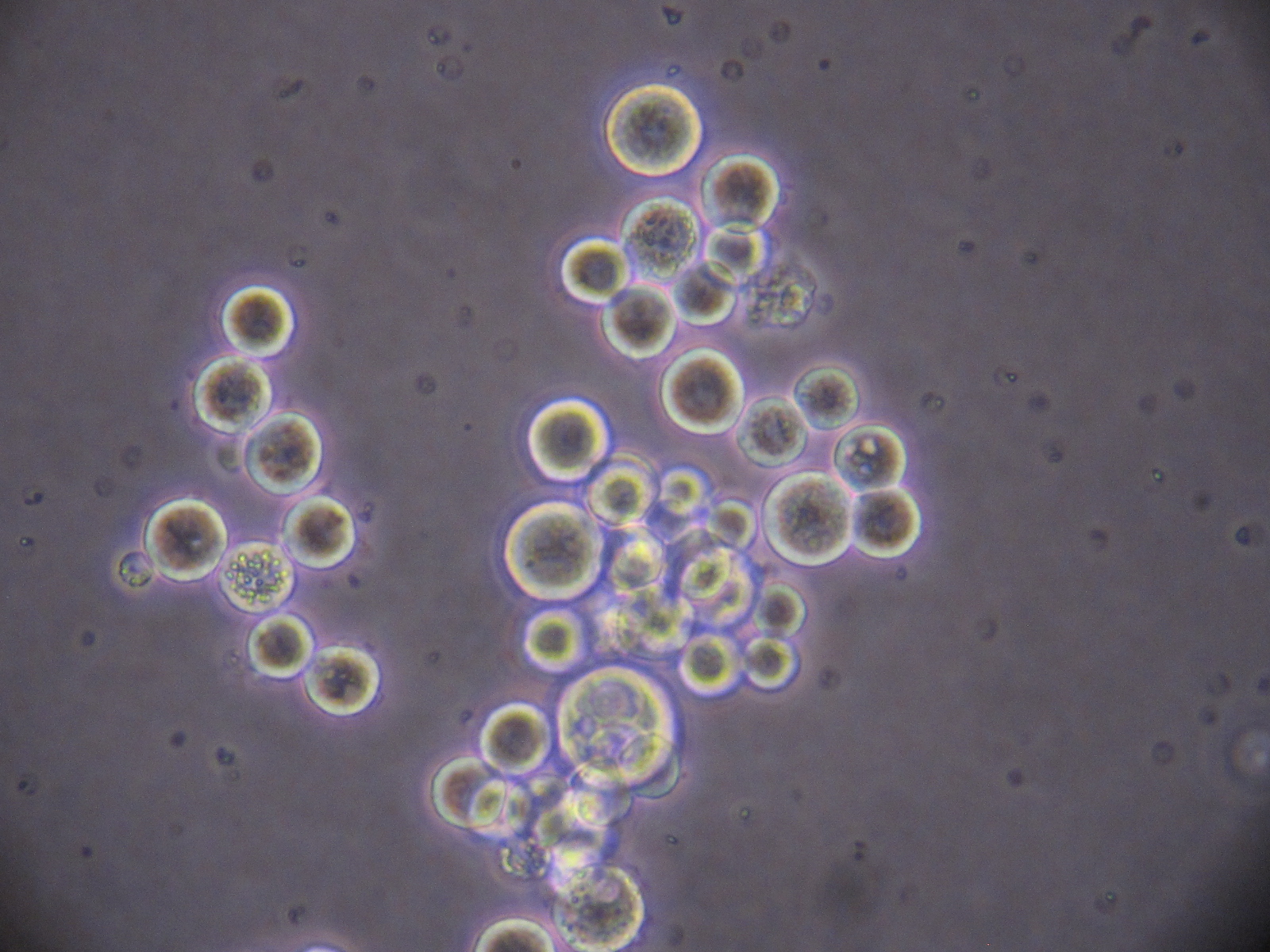
We combine state-of-the-art single cell technologies with unique patient samples to identify dormancy and growth associated intrinsic and extrinsic factors specific to brain metastasis, and perform mechanistic studies to further validate and understand the related processes.
Hypoxic memory
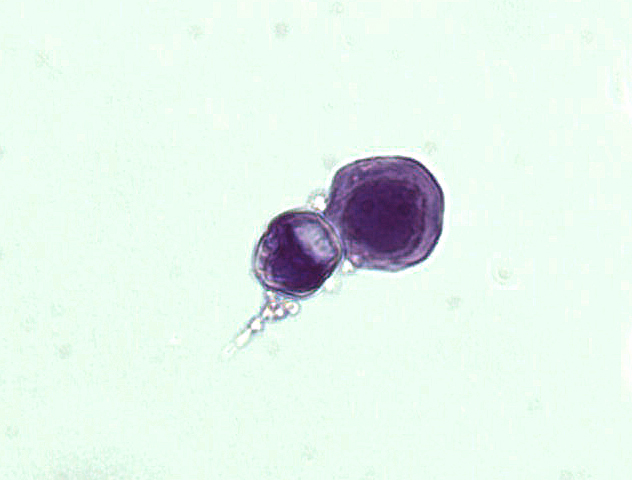
The hypoxia niche could impact metastatic capacity of the exited CTCs. We are investigating the long-term effect of hypoxia, termed “hypoxic memory”, and its associated molecular mechanisms as related to breast cancer metastasis.
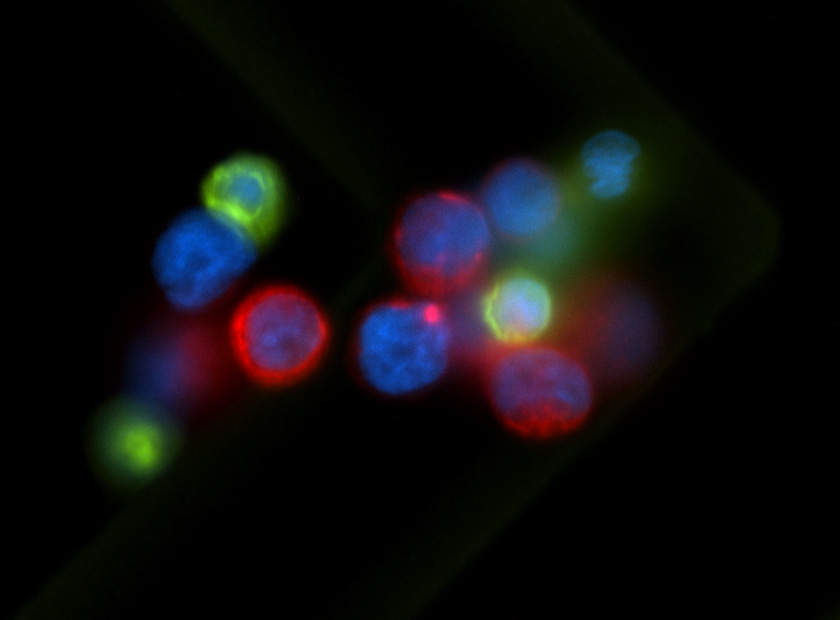
 minyulab.org